FALL 2008
PRE-ARRIVAL OFFER.
PURCHASE NOW FOR DISCOUNTED PRICING.
OFFER ENDS OCTOBER 31ST. WINES TO BE SHIPPED NOVEMBER 10TH.
Current focus.
In the spectrum of California wine styles, I like to think ours have
always emphasized balance. The few over-the-top monsters we have made
turned into big commercial successes, but they didn't represent our
aim. The idea has always been to capture the exuberance of fully ripe
California fruit and express it with a European sensibility (i.e.
making wine that is delicious with food). I don't pretend to have
fully achieved that objective, because I see winemaking as a craft,
a quest that doesn't end. Complete satisfaction with the job would
be tantamount to giving up the struggle.
When I started making wine 25 years ago we picked our grapes a little
less ripe; however, we found the flavors of the wines to be a bit
too green and vegetal. So we opted for more ripeness and thought the
wines were better for it. The down side was they were a tad deficient
in acidity and a bit high in alcohol-they seemed clunky. And although
these wines have aged well, and with time in the bottle have come
into better balance, I felt there was still room for improvement.
Since then great strides in California viticulture have changed the
character of the fruit we work with. First, the introduction of drip
irrigation allowed more accurate control of vine growth. And second,
vertical trellising of the vines allowed for even sun exposure to
the clusters. That coupled with our penchant for thinning the crop
for lower yields has produced more evenly ripe fruit. So now we are
picking a little less ripe again and are really excited with the results.
The wines are more fragrant, alive and fresh-and so intriguing they
beckon you to take another sip. Other winemakers, in pursuit of what
they call phenolic ripeness, are picking not grapes but raisins-and
making wines that may have a concentrated texture, yet I find tiring
to drink.
My interest in viticulture has not slackened since all these improvements
have been made. Now the Holy Grail is organic and biodynamic farming
(a self-sufficient, spiritual farming method), whose success requires
the grower to pay even more attention to the vineyard. With chemical
farming you can more easily ignore the condition of the vine and when
disaster is about to strike, simply nuke the problem away. When farming
naturally you must better anticipate problems and carefully encourage
the vine towards success. And of course, we should avoid using neurotoxins
on the things we eat and drink. They're not good for us, and not good
for the people who apply them.
In wine we talk about the subtle differences that distinguish the
ordinary from the extraordinary, and I believe organic farming is
the best way to bring out the intriguing nuances of a vineyard. So,
we are pushing our growers toward organic farming. We have begun buying
biodynamically grown fruit from Presidio Vineyard, and are working
with two of our other growers to get them to go completely organic.
Our other vineyard sources are sustainably grown, which means only
the safest conventional methods and sprays are used- and with California's
benign climate this is not difficult. .
.
Adam Tolmach
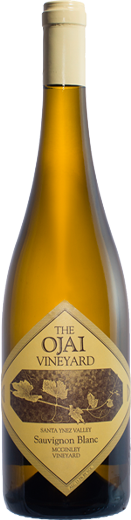
2007 SAUVIGNON BLANC MCGINLEY
(FORMERLY WESTERLY)
Santa Ynez Valley
OK, here's the story: The
folks who owned Westerly Vineyard and Winery sold the vineyard to
the McGinley's, but they kept the winery and the name, so now the
vineyard has a new name. We still buy our same two little sections
and it is still custom farmed by Jeff Newton's terrific Coastal Vineyard
Care.
The 2007 worked out great, and I see it as a bit more precise and
correct compared to the 2006. It has the same herbal nerviness and
zippy acidity that previous vintages possess, it just comes across
as more elegant. There were no major changes in the growing--we are
farming to keep the crop in our areas to about half that of the rest
of the vineyard. This gives us a wine that is more minerally and more
intensly flavored. We continue to be the first to pick this vineyard
each fall, as we prefer to harvest when the grapes' acidity is still
high, and the fruit still filled with personality.
In the winery the sauvignon blanc is whole cluster pressed, fermented
and aged in older French oak barrels, and we actively block the malo-lactic
fermentation to preserve the wine's natural acidity. In a departure
from our usual hands off approach, we chose to rack (decant) the sauvignon
blanc once after fermentation was complete. We think this gave the
wine greater aromatic clarity, without compromising its richness.
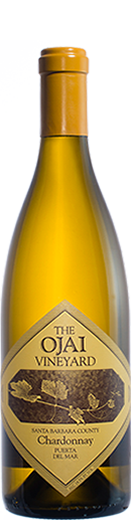
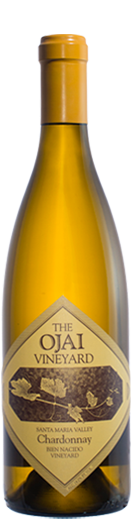
2006 CHARDONNAY CLOS PEPE
Santa Rita Hills
For us 2006 was a stellar
harvest. There was some variable ripeness because of a slow flowering
but that issue was easily solved by careful thinning. Obviously every
taster looks for something different, but for us the grapes came in
with bright acidity as they did in 2005, and yet they expressed more
personality, so we like the wines even better.
This chardonnay always turns out great, and with only half the fruit
on the vines compared to 2005, it is one tightly strung and intensely
flavored wine. Delicious right now with fish or shellfish, it has
the potential to age into a real beauty if you give it eight years
or so. All of our Clos Pepe chardonnays are still drinking well, even
back to the first one made in 1999, but this year's seems to be our
most ageworthy chardonnay to date.
Winemaking wise we continue to barrel ferment and age the wines as
in the past; however we are using fewer new barrels in the process--to
better show off the distictive Clos Pepe personality. This wine went
through the secondary malo-lactic fermentation and remained on its
fermentation lees until bottling. It was bottled without filtration.
2006 PINOT NOIR SOLOMON
HILLS
Santa Maria Valley
When I taste pinots from other areas, I often criticise them for their
blandness and timidity. And more often than not, they are just too
heavy to drink more than one sip. This Solomon Hills pinot noir is
different. It's a wine full of personality, literally filled with
berries and cherries and fascinating citrus notes. Because we're picking
the grapes a little earlier than in the past, this wine is alive and
racy, making it especially food friendly.
Planted the furthest west of any vineyard in the Santa Maria Valley
appellation, Solomon Hills is a cool spot. The soil is pure sand,
so the vines grow with a decided lack of vigor, and the production
per acre rarely gets to two tons, which is considered very low. In
2006 we got 3.3 tons from two acres. We destem the fruit, go for a
cold soak of five days, ferment it hot, and press it into French oak
barrels (a third of which are new) for aging. No SO2 is used during
barrel aging, and it is never racked.. For convienence many people
bottle their pinots shortly before the next harvest, however, we bottled
this wine in January of 2008. The additional barrel time brings greater
complexity to pinot, and with this wine we were particularly happy
with the progress it made in those extra few months. You can drink
this Solomon Hills pinot noir today and enjoy its savory brashness,
but it will certainly continue to evolve for the next several years.
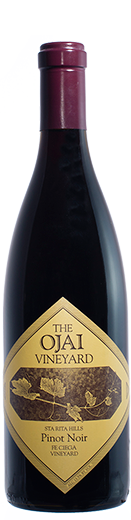
2006 PINOT NOIR CLOS PEPE
Santa Rita Hills
My! This drinks well now.
So poised and down right regal, yet utterly delicious in a young fresh
way. Of all the pinots we make, this is the one that many people don't
quite get because it possesses a subtlety and finess that is easily
overlooked. In its delicate way this wine is alive and bursting with
berries and flowers, but without being light or insignificant. It
is much like the 2005 that I am so fond of, yet a bit more intensely
flavored and higher in acidity.
I like that its inherent quality sneaks up on you, rather than hitting
you on the head. In my book this is a real success-and it points out
where we, as a winery, are going. By picking a little earlier we are
capturing the more savory aspects of pinot-its zippy acidity and quenching
tannins-along with the more floral aromatic aspects that are lost
with greater ripeness.
2006 GRENACHE
Santa Barbara County
A blend of 80% grenache from
Thompson Vineyard and 20% syrah from Bien Nacido. In 2006 we had conditions
that gave us ultra-ripe grenache fruit that was spectacular, yet a
bit difuse. Blending in well balanced syrah from Bien Nacido was just
the trick to making this wine complete. In the bottle this wine has
really come together, offering up raspberry aromatics and the delicous
textural quality that only grenache can deliver.
2005 SYRAH MELVILLE
Santa Rita Hills
Although
it may not seem like it, winemaking can be arduous. We spend most
of the year working with our growers to get them to do everything
just right, then at harvest there is only a moment in time to capture
the grapes at their peak. For the winemaker, the real work begins
as the grapes come in from the field--worrying over every one of the
thousand decisions that ultimately determine how the wine works out.
Being so intimately involved with a wine for so long I'm ready to
take a break from it after bottling, and sometimes avoid tasting it
for a while to gain a little perspective.
This is one of those wines that I hadn't tasted for close to a year,
so I was taken by surprise with its dramatic aroma! It's all coffee
and exotic spices presented in a forward, sexy way. It's so alluring!
The flavors are just as compelling, balancing richness and concentration
with vintage 2005's best attributes: freshness and liveliness. Sure,
it could use more time in the bottle, but it is a pleasure to drink
today.
2005 SYRAH PRESIDIO
Santa Barbara County
This is our first wine from
Doug Braun's lovingly farmed Presidio Vineyard. Doug has been making
wine for years, and recently found this property west of the Santa
Rita Hills appellation and planted it with organic and biodynamic
growing in mind from the start. His first crop was in 2004.
I find his vineyard compelling for a few reasons. First and formost
is the cool climate. The lack of heat preserves the distinct character
of the grapes--their struggle to ripen at this windy site is essential
for their unique personality. The vineyard is situated in a great
spot on a gentle southerly slope, and the vines are planted close
together in very poor sandy soil. Doug's commitment to organic and
biodynamic farming has been great for grape quality because succussfully
farming without the usual chemicals requires a special attentiveness
to the needs of the vine, which has a direct bearing on what sort
of quality the vines will produce. Although it's difficult to quantify
all the differences between conventionally grown and biodynamically
farmed fruit, perceptive growers I talk with think there are clear
advantages to the natural approach.
The wine we made was immediately a standout in the cellar. It bears
the mark of being grown in a particularly cool spot by its spectacular
aroma of bright berry fruits and peppery herbal earthiness. There
is a density and sexy, musky vineyard personality that is hidden by
its freshness, but it will become apparent with age. Immediately after
bottling in March of 2007 the wine closed down and hid most of its
promise. However, now, a year and a half later it is beginning to
show its stuff. With a good decanting it is perfect with savory dishes,
though it still has years to go before it peaks.
2007 VIOGNIER
California
Our first dry viognier since
the spectacular 2004, this one is a blend of two-thirds Roll Ranch
and one-third from Presidio. So it blends the richness and unctuousness
of warm climate viognier with the exotic floral aspects of a very
cool climate. This gave us a wine that has unusual freshness for the
varietal, which is to say it works well with food. Delicious today!
2007 VIOGNER ICE WINE ROLL
RANCH
Ojai Valley, California.
375 ml
This is the dessert wine we
make every year. We take ripe viognier grapes from Roll Ranch to a
commercial freezer in Oxnard, and when they are solidly frozen they
are transported back to the winery and pressed immediately. The first
juice that is pressed out before the grapes have a chance to thaw
is extremely sweet. We take this syrupy stuff and ferment it in older
barrels, stopping the fermentation before the alcohol level gets very
high. The resulting wine is golden in color, has a great flowery aroma,
and is sweet and unctuous. This particular vintage has a nice white
chocolate aftertaste, and despite all its sweetness is quite easy
to drink.
2004 SYRAH WHITE HAWK MAGNUM
Santa Barbara County. 1.5l
This is the note written
when the wine was released in the Spring of 2007:
Aromatically and texturally
this wine, by no design of my own, comes closest to that "international
style" that I love to take pot shots at. This wine truly is a monolithic
monster that is spicy and mineral-y in aroma as well as dense and
mouth-coating. It's a style that many people love to drink young,
and, although it is drinkable now, I think that's ultimately unfair
to this wine. I wouldn't even think of opening it for at least five
years because I have found that, with time, many of our wines similar
to this one shed their baby fat and become balanced, compelling and
interesting wines with age. This one has all the elements to mature
gracefully for years.
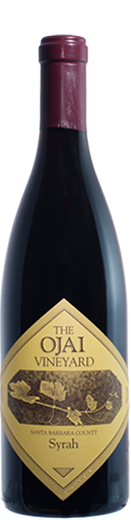
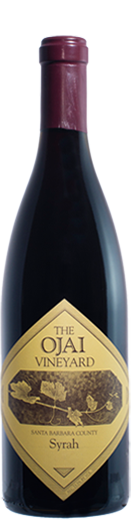
2006 SYRAH
Santa Barbara County
This is a really powerful
and intensely flavored wine that is also lively enough to be engaging
and delicious right now. The wine is made from a blend of all of our
syrah vineyards, and the farming is strict-we aim for very low yields.
For the last several vintages we have blended quite a bit of grenache
and mourvedre in the blend, which gives the wine greater complexity
and aromatic interest.
OJAI WHITE & OJAI
RED
Non Vintage, California
Don't let yourself be distracted
by the affordable price. These two wines are terrific, always full
of charater and easy to enjoy. They are made with the barrels that
did not make the selection for the single vineyard bottlings and they
received the same care and dedication as any of our more recognized
wines. The result is a winery blend that seem to follow it's own mind
and achieve quiet elegance.